

A Strategic Guide for BIM Managers, Architects & Engineers
In today’s rapidly evolving AEC landscape, remote collaboration is no longer a temporary response to global shifts—it has become a sustainable and powerful operational model. Firms across architecture, engineering, and construction are discovering that distributed teams, when properly equipped and strategically guided, can outperform traditional in-office workflows.
However, success in this new era requires more than cloud storage and video calls—it demands intentional digital transformation, BIM-centric thinking, and resilient collaboration practices.

5 proven solutions
Below, I highlight 5 proven solutions that help organizations energize business growth, improve project outcomes, and unlock smoother, smarter teamwork in remote design environments.
1. Become BIM-Focused: Adapting to New AEC Trends and Technologies
According to the Merriam-Webster Dictionary, focus is “the state or quality of having or producing clear visual definition.”
In the AEC industry, this clarity translates into BIM-focused workflows—a mindset where every decision, tool, and process is oriented toward intelligent, data-driven project delivery.
Today’s top-performing firms are adopting:
Model-centric digital twins
Lifecycle-based data workflows
Automated coordination processes
Connected cloud environments
Embracing BIM as the core operational strategy empowers teams to visualize better, coordinate faster, and design with precision. More importantly, it ensures consistency across remote teams who rely on accurate, accessible information in real time.
Being BIM-focused means:
Standardizing templates, families, naming conventions
Establishing clear project execution plans (BEP, PxP)
Using automation (like Dynamo) to reduce repetitive tasks
Structuring data for all project phases
This focus becomes the anchor that holds distributed teams together.
2. Leverage the Right Software Ecosystem for Collaboration & Productivity
The AEC industry is experiencing a surge in cloud-native, collaboration-first platforms that support real-time design and project coordination. To empower remote teams, choose tools that eliminate friction, reduce miscommunication, and streamline workflows.
Key categories of tools shaping the AEC digital ecosystem:
-
Autodesk BIM Collaborate Pro
ACC (Autodesk Construction Cloud)
Trimble Connect
Revizto
Solibri (model checking)
-
Revit Cloud Worksharing
AutoCAD Web & Mobile
Archicad BIMcloud
-
Slack / Microsoft Teams
Asana / ClickUp
Notion for knowledge management
-
Enscape / Twinmotion (real-time rendering)
Navisworks (clash detection)
Speckle (open-source data exchange & automation)
“The future of AEC collaboration lies in interoperability, open data exchange, and hybrid ecosystems where tools communicate seamlessly across disciplines and locations.”
3. Enhance Collaboration Throughout the Entire Project Lifecycle
True remote collaboration is not achieved through tools alone—it must be embedded across the full project lifecycle, from conceptual design to construction documentation and facility management.
Lifecycle-focused collaboration strategies:
Early-phase design alignment using shared conceptual models
Multi-discipline model integration using cloud worksharing
Continuous clash detection and coordination reviews
Automated updates through shared parameters and schedules
Centralized model review environments accessible anywhere
Cloud-based BIM workflows make collaboration continuous instead of episodic, replacing “upload-download” chaos with seamless “work-live-sync” experiences.
The result?
Faster decision-making, reduced rework, and more predictable project outcomes—crucial advantages for distributed AEC teams.
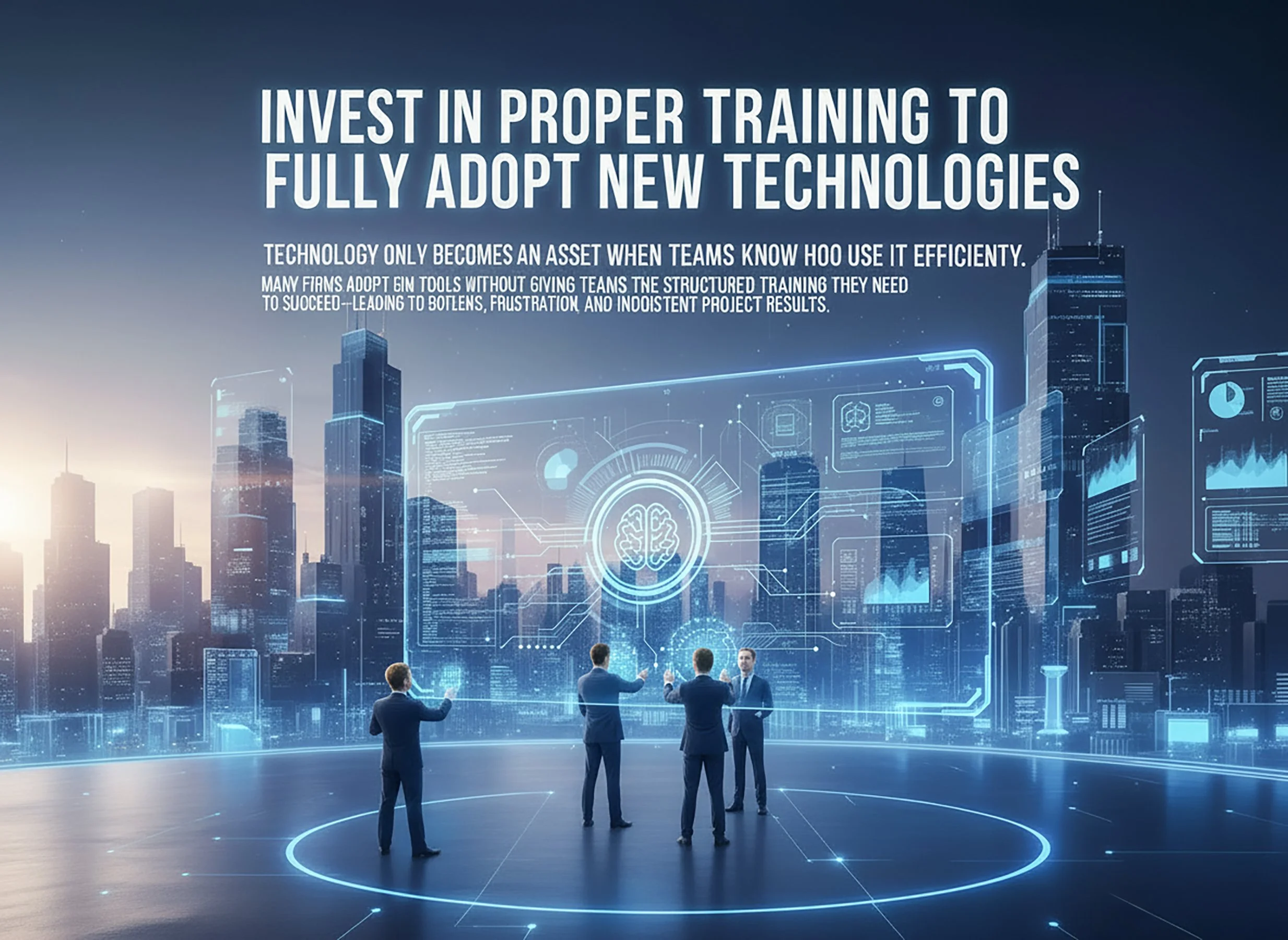
4. Invest in Proper Training to Fully Adopt New Technologies
Technology only becomes an asset when teams know how to use it efficiently.
Many firms adopt BIM tools without giving teams the structured training they need to succeed—leading to bottlenecks, frustration, and inconsistent project results.
Why training is a non-negotiable investment:
Ensures correct use of cloud worksharing
Standardizes workflows for distributed staff
Enables automation adoption (Dynamo, Python, interoperability workflows)
Improves quality control and reduces costly mistakes
Boosts team confidence—especially for remote environments
Remote learning platforms, virtual classrooms, and asynchronous training resources now allow firms to equip teams regardless of location.
“Remember:
A BIM-ready firm is only as strong as the proficiency of its people.”
5. Tips for Staying Productive When Working Remotely
Remote work requires discipline, structure, and a proactive mindset. Without intentional habits, productivity can easily drop—especially on complex BIM projects.
Proven productivity tips for AEC professionals:
Build a Structured Work Environment
Dedicated workspace
Camera-ready desk setup
Reliable hardware (SSD, GPU, dual monitors)
Optimize BIM Workflows
Sync often—but not constantly
Use worksets strategically
Maintain clean local files
Follow project standards strictly
Improve Communication
Daily or weekly check-ins with your team
Structured model review sessions
Use screenshots, markups, and screen recordings to reduce confusion
Protect Your Focus
Time-block deep work sessions
Use noise-cancelling headphones
Apply the 90/20 focus cycle for long modeling tasks
Take Advantage of Automation & Shortcuts
Dynamo scripts
Revit macros
Automated schedules and view templates
Remote work becomes far more efficient when you work with the tools, not against them.
Final Thoughts: A Future Built on Collaboration, Innovation & Strategic BIM Leadership
Remote collaboration is not a trend—it is an evolving standard reshaping how the AEC industry works. Firms that embrace BIM-centric workflows, adopt the right digital tools, invest in training, and build productive remote habits will gain a clear, competitive advantage.
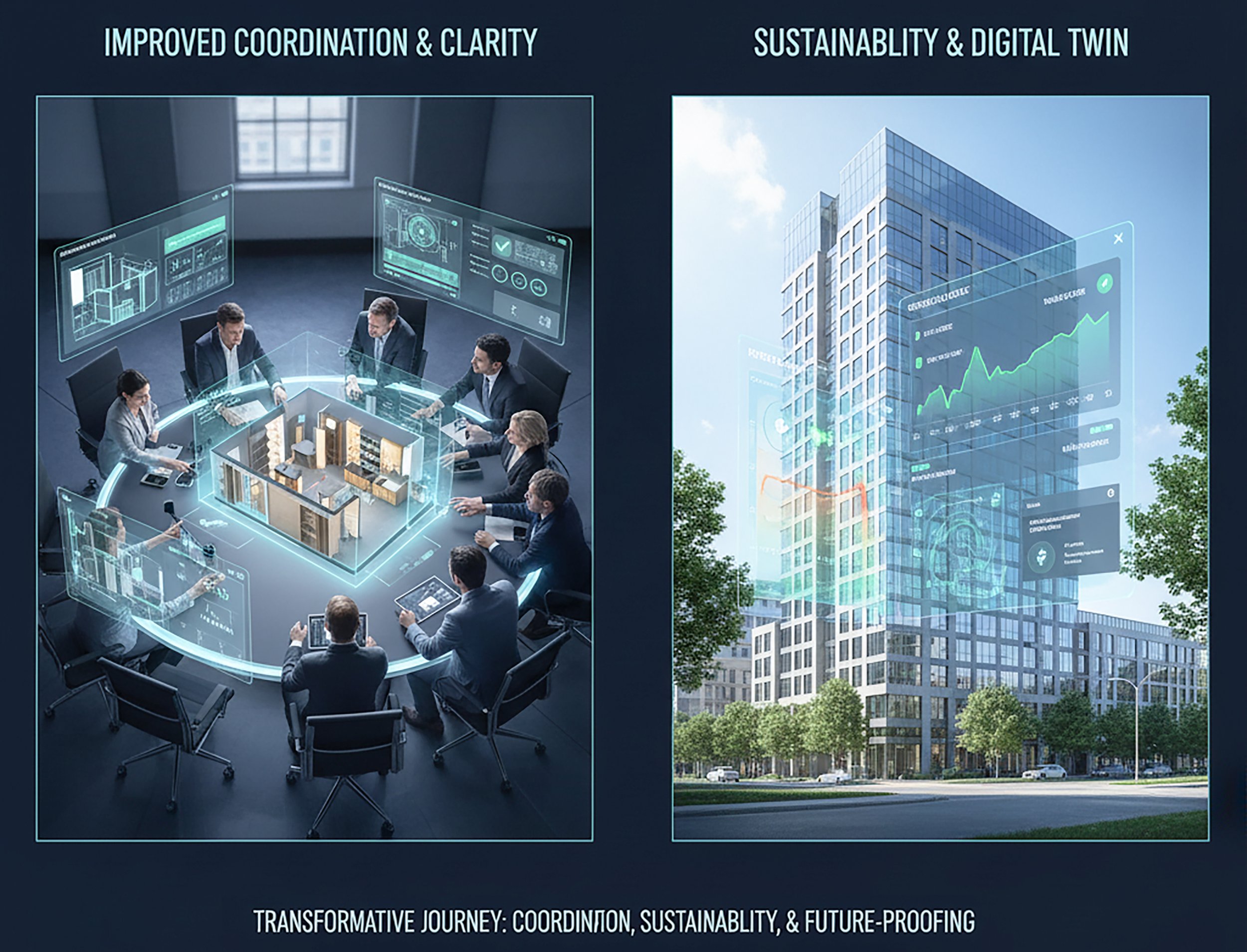
These 5 proven solutions are not quick fixes—they are strategic building blocks for stronger project delivery, healthier teams, and sustained business growth.
If your firm is ready to strengthen its BIM workflows or empower remote collaboration, I’m here to help you build the right strategy and implementation plan.
